All too often pets are found in dire situations. Whether they 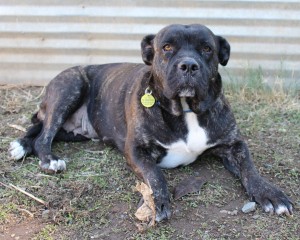 were abused, neglected, abandoned, or just the unfortunate companion of someone who was unable to care for their special needs, they all deserve better. To rescue an animal is to take it out of such situations, but the animal’s troubles don’t end there.
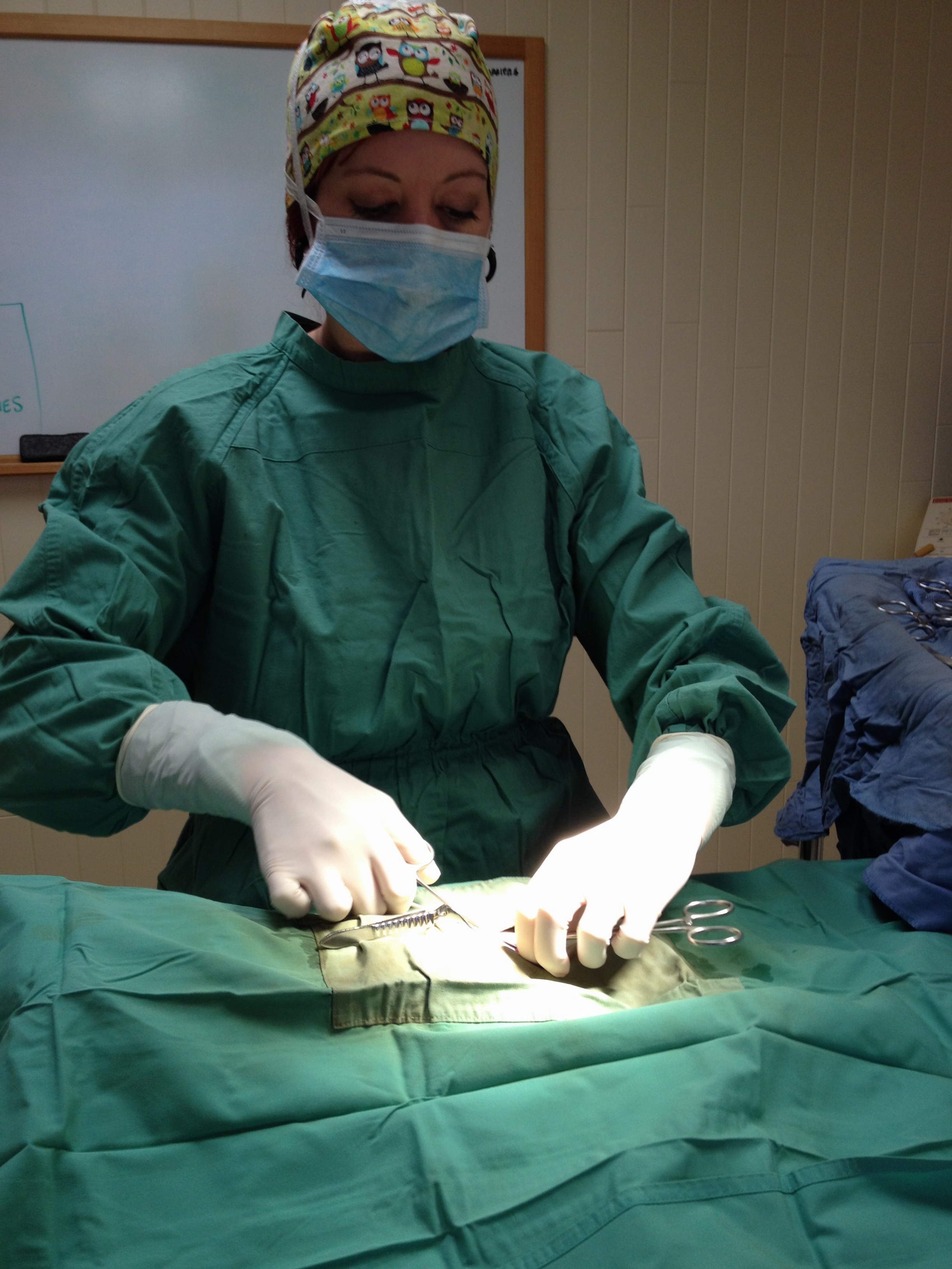
The transition to a happy, healthy life is not always easy for an animal that knows nothing other than its previous experiences. Often they are fearful and nervous. Many times they are in need of medical care.
With the help of a very generous community, the staff and volunteers at Butte Humane Society are able to provide that care and socialization that pet needs to adjust to a happy, normal life. Rather than simply passing off a pet, along with all of the scars of its previous life, to the first person who comes along, we are fortunate enough to able to take the time to learn about that pet, its temperament, dietary restrictions, medical conditions, and the funny little quirks that make that pet unique. We can then use that information to find the best match we can to ensure both the pet and its new family have a wonderful life together with no surprises, thus reducing the rate of return.
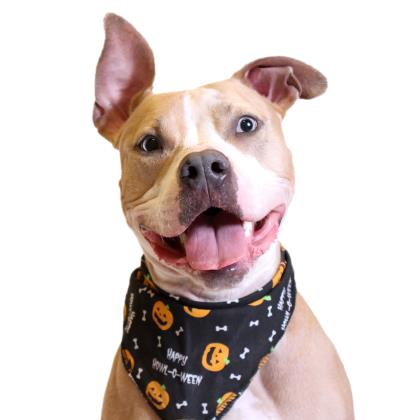 Thanks to such a caring community of supporters, we are able to turn negative situations into positive ones for both the pets and their adoptive families. We are proud to be able to do more than simply relocate a pet; we take the steps to help it find its forever home.
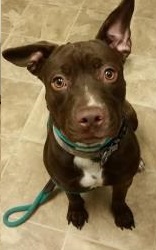 But just like those last few steps to the top of a mountain, her adopters persisted and it’s been a rewarding downgrade since.
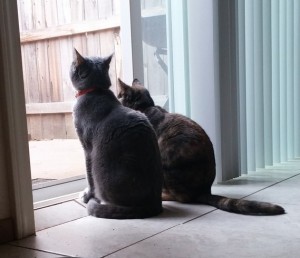
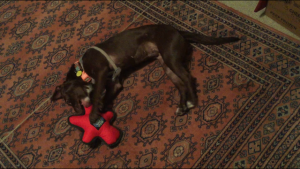 and she even befriended one of the cats. “She is fully potty trained and crate trained,” Casi said with pride. “Crate training is the way to go!” She does good off-leash and is even taking to clicker training.
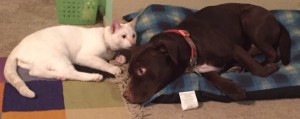 Lyra is totally loved by her family. Her story is a prime example of the reality that all pets need at least some level of work and patience when adjusting to a new home. Thank you, Casi and household, for putting your frustrations aside to understand what Lyra was also going through, and for your dedication to her training.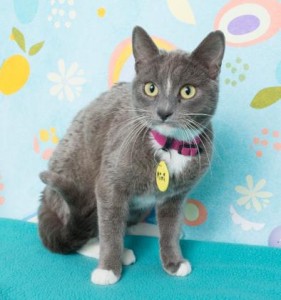

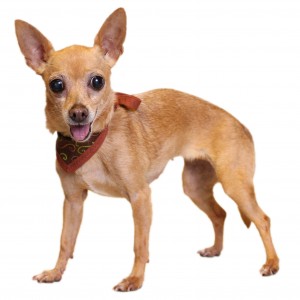 was finally ready for adoption.
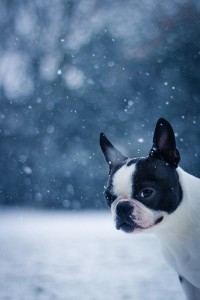 to hypothermia and even frostbite. It is best to keep your pets indoors. But if that’s not possible for whatever reason, say you have guests over and have to kick the horse out of the house, make sure they have a shelter that is:
 time indoors, they miss out on the normal wear-down from being outside. Trim them as needed, but be careful, trimming too short can cut the quick. Ask your vet for tips.
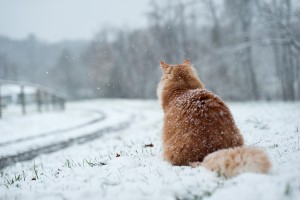
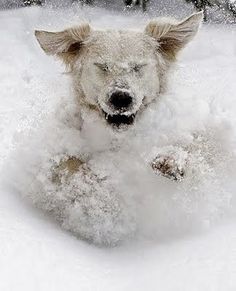 Did you know that more pets get lost during winter than any other season? Pets can wander off looking for warm shelter or can get lost in the snow when it covers up familiar scents and sights. Keep them on leash at all times when in snow and make sure they are properly identified with up-to-date information.